 English
 Spanish
 Portuguese
 French
 Italian
 Remote Mower
The modern Lawn mower has evolved far beyond a simple machine for cutting grass. As professional landscaping, agriculture, roadside maintenance, and large-scale vegetation management become more demanding, equipment manufacturers are developing smarter and more specialized mowing solutions.
Today, a professional Lawn mower may combine advanced mobility, remote-control technology, specialized cutting systems, and operator-focused controls. These developments are particularly valuable when mowing large areas, uneven ground, slopes, embankments, or locations where conventional equipment can be difficult to operate.
Remote-controlled mowing equipment is one of the most important developments in this area. By separating the operator from the machine, a remote-controlled Lawn mower can provide greater flexibility for professional mowing applications.
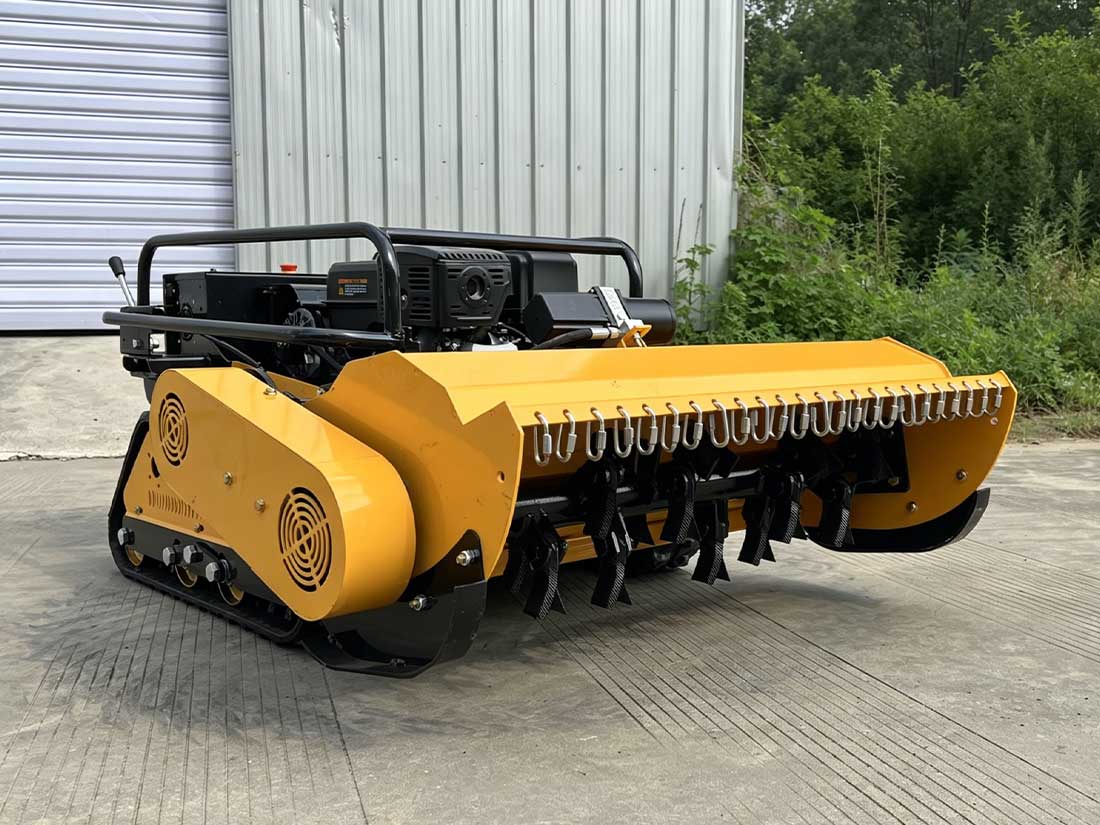
How Lawn mower Technology Is Changing
Traditional mowing equipment is generally designed around a straightforward principle: an operator controls the machine while the cutting system removes vegetation.
Modern professional Lawn mower technology takes a more complete approach.
Instead of focusing only on cutting performance, equipment development increasingly considers:
- machine mobility;
- operator control;
- terrain adaptability;
- cutting-system efficiency;
- safety;
- maintenance;
- application flexibility.
This systems-based approach is particularly important for contractors and professional users who need equipment capable of working in different environments.
A modern Lawn mower is therefore better understood as a complete vegetation-management system rather than simply a grass-cutting machine.
Remote-Controlled Lawn mower Technology
Remote control is one of the technologies attracting increasing attention in professional mowing.
A remote-controlled Lawn mower allows the operator to control machine movement and mowing functions from a distance. Instead of sitting directly on the machine, the operator can maintain visual contact while controlling the equipment remotely.
This configuration can be particularly useful for difficult applications involving:
- slopes;
- embankments;
- uneven ground;
- roadside vegetation;
- agricultural areas;
- orchards;
- parks;
- large green spaces.
Remote-controlled mowing equipment can therefore expand the range of environments where a professional Lawn mower can be considered.
However, remote control does not eliminate hazards. Operators must still inspect the worksite, understand machine limitations, maintain an appropriate operating position, and follow manufacturer safety instructions.
Lawn mower Mobility and Terrain Adaptability
For professional mowing, cutting capability is only part of the equation.
A Lawn mower working on uneven terrain must also be able to move predictably through changing ground conditions.
Slopes, holes, loose soil, wet grass, rocks, and vegetation can all affect machine movement.
This is why professional remote-controlled mowing equipment often places significant emphasis on mobility and traction.
Tracked configurations can be particularly relevant to applications where maintaining ground contact and controlled movement are important.
When selecting a Lawn mower, professional users should therefore ask not only how well the machine cuts, but also how effectively it can move through the environment where it will be used.
Lawn mower Cutting Technology
The cutting system remains one of the most important components of any professional Lawn mower.
Different vegetation requires different approaches.
A machine intended primarily for grass maintenance may have different cutting requirements from one used for dense weeds, tall vegetation, or brush.
Professional equipment selection should therefore consider:
- vegetation type;
- vegetation density;
- cutting height;
- cutting width;
- expected debris;
- frequency of operation;
- required finish.
Matching the cutting system to the application helps professional users achieve more consistent mowing results and manage equipment wear more effectively.
Lawn mower Efficiency for Large Areas
Efficiency becomes especially important when maintaining large green spaces.
For professional landscaping companies, agricultural contractors, municipalities, and maintenance teams, mowing may involve extensive areas that require repeated vegetation management.
A professional Lawn mower can contribute to a more organized workflow when its machine configuration matches the working environment.
Remote-controlled mowing equipment can be particularly useful when certain parts of a property are difficult to access using conventional equipment.
The goal is not simply to make a machine move faster. Efficient mowing also involves reducing unnecessary movement, selecting the correct cutting configuration, planning the work route, and minimizing avoidable downtime.
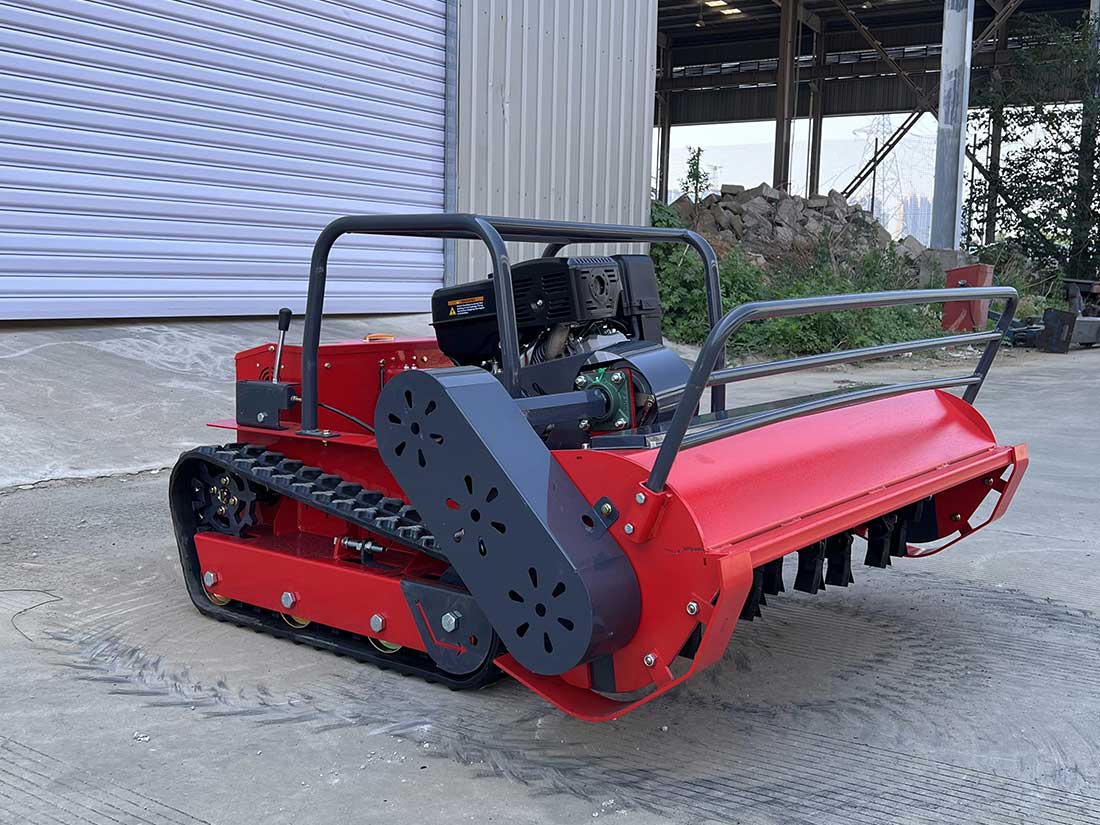
Lawn mower Technology for Roadside Maintenance
Roadside vegetation management presents a combination of access, terrain, vegetation, and safety challenges.
Road edges may contain slopes, drainage channels, embankments, rough vegetation, and other obstacles.
The source material highlights roadside mowing equipment as an important solution for municipalities, landscaping companies, and agricultural contractors.
A remote-controlled Lawn mower can be considered for suitable roadside applications because the operator can control the machine from a distance.
However, roadside mowing requires a complete safety strategy. Traffic management, work-zone protection, visibility, warning procedures, and compliance with local regulations remain essential.
Lawn mower Technology in Agriculture
Agricultural land can also benefit from specialized mowing technology.
Fields, orchards, grass margins, and difficult-to-access sections may contain uneven terrain or vegetation that requires regular management.
A professional Lawn mower for agricultural use should be selected according to the actual vegetation and terrain rather than based only on general lawn-care requirements.
Remote-controlled mowing equipment can provide additional flexibility for suitable agricultural applications, especially where operator positioning and machine accessibility are important considerations.
For agricultural contractors, the right solution may combine a mobile platform with a specialized cutting attachment designed for the vegetation being managed.
Lawn mower Solutions for Landscaping
Professional landscaping often involves a mixture of terrain types.
A single property may include flat lawns, slopes, drainage areas, embankments, pathways, and densely vegetated sections.
Instead of relying on one type of Lawn mower for every application, professional companies can consider a combination of equipment.
Remote-controlled mowing equipment can complement conventional machines by handling areas where remote operation and specialized mobility provide practical advantages.
This approach can help companies build a more flexible mowing fleet around actual project requirements.
The Role of Smart Technology in Lawn mower Development
The term “smart mowing” increasingly refers to the integration of technology into the overall mowing process.
For a professional Lawn mower, smart technology can involve remote operation, improved machine controls, specialized mobility, and equipment configurations designed around specific applications.
The industry material also emphasizes smart mowing technology as part of the development of modern professional mowing solutions.
The key point is that technology should solve a real operational problem.
For example, remote control is valuable when operator positioning is a challenge. Specialized mobility is valuable when terrain is difficult. A particular cutting system is valuable when vegetation requires it.
Professional buyers should therefore evaluate technology according to its practical benefit rather than choosing equipment simply because it contains more features.
Lawn mower Safety and Professional Operation
Efficiency should never come at the expense of safety.
A professional Lawn mower should be operated according to the manufacturer's instructions and within its specified limits.
Before starting work, operators should inspect the area for:
- people and animals;
- rocks and hidden objects;
- holes;
- unstable ground;
- infrastructure;
- roadside hazards;
- dense vegetation;
- other potential obstacles.
Remote-controlled mowing equipment can create greater separation between the operator and machine, but it does not remove the need for proper training and site management.
Experienced operators understand that technology and safe working procedures must operate together.
Lawn mower Maintenance and Reliability
Even advanced mowing equipment requires regular maintenance.
A professional Lawn mower operating in demanding conditions can encounter grass accumulation, dust, mud, vibration, and wear on cutting and drive components.
Regular inspection should include:
- cutting components;
- tracks or wheels;
- drive components;
- fasteners;
- remote-control equipment;
- electrical connections;
- visible signs of wear;
- accumulated vegetation and debris.
Cleaning and preventive maintenance should be incorporated into the normal operating routine.
For professional companies, good maintenance practices can help reduce unexpected downtime and maintain equipment availability.
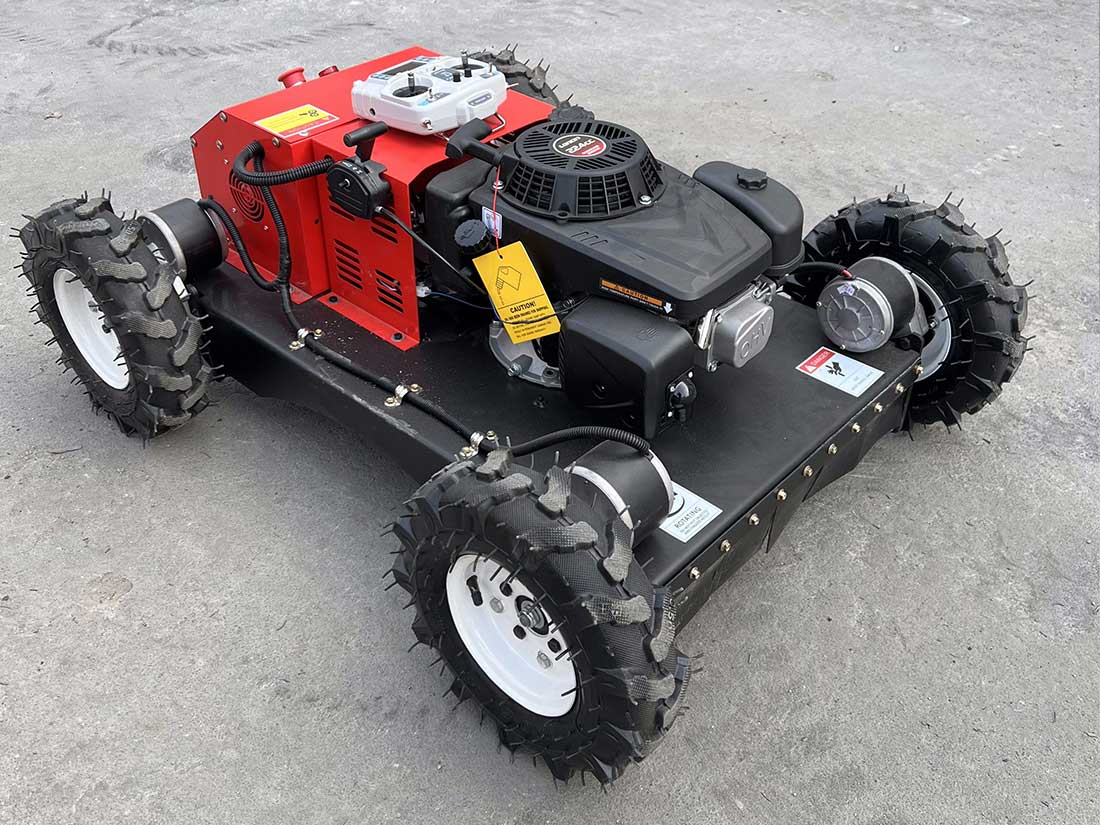
How to Choose a More Efficient Lawn mower
Choosing the right Lawn mower begins with understanding the application.
Evaluate the Terrain
Determine whether the machine will work on flat ground, uneven surfaces, slopes, embankments, or roadside areas.
Evaluate the Vegetation
Identify whether the machine will primarily cut grass, weeds, tall vegetation, or brush.
Evaluate Machine Mobility
Consider whether wheels or tracks are better suited to the intended terrain.
Evaluate Remote Operation
Determine whether remote-controlled mowing equipment provides a meaningful advantage for operator positioning and difficult access.
Evaluate the Cutting System
Match the cutting attachment to the vegetation and required mowing result.
Evaluate Maintenance
Consider how easily the Lawn mower can be inspected, cleaned, serviced, and maintained.
This approach provides a more reliable basis for professional equipment selection than comparing one specification in isolation.
Remote-Controlled Lawn mower vs Traditional Mowing Equipment
Traditional mowing equipment remains an important part of professional lawn care.
For flat and accessible areas, a conventional Lawn mower can be highly practical.
Remote-controlled mowing equipment becomes particularly interesting when conditions become more complicated.
Slopes, uneven terrain, difficult access, roadside vegetation, and large professional maintenance areas can create situations where remote operation provides additional flexibility.
The goal is not to suggest that a remote-controlled Lawn mower is the right answer for every application. Instead, it should be considered as part of a broader professional equipment strategy.
Why Professional Experience Matters
Selecting a Lawn mower for commercial or industrial use requires practical knowledge of mowing operations.
Professionals understand that real-world performance depends on the interaction between:
Machine + terrain + vegetation + cutting system + operator + maintenance
Ignoring any one of these factors can lead to poor equipment selection.
This is why professional buyers should work from application requirements rather than choosing equipment based only on marketing claims.
A properly configured Lawn mower can provide much greater value when its capabilities directly match the work environment.
The Future of Lawn mower Technology
The future of the Lawn mower industry is increasingly connected with smarter, more specialized, and more flexible equipment.
Remote-controlled mowing equipment is one important part of this development. It offers a different way to approach difficult terrain while giving operators greater control over machine positioning.
As professional vegetation management continues to evolve, the Lawn mower will increasingly be evaluated as part of a complete equipment system.
Future developments are likely to focus on improving mobility, control, cutting performance, operator safety, and overall work efficiency.
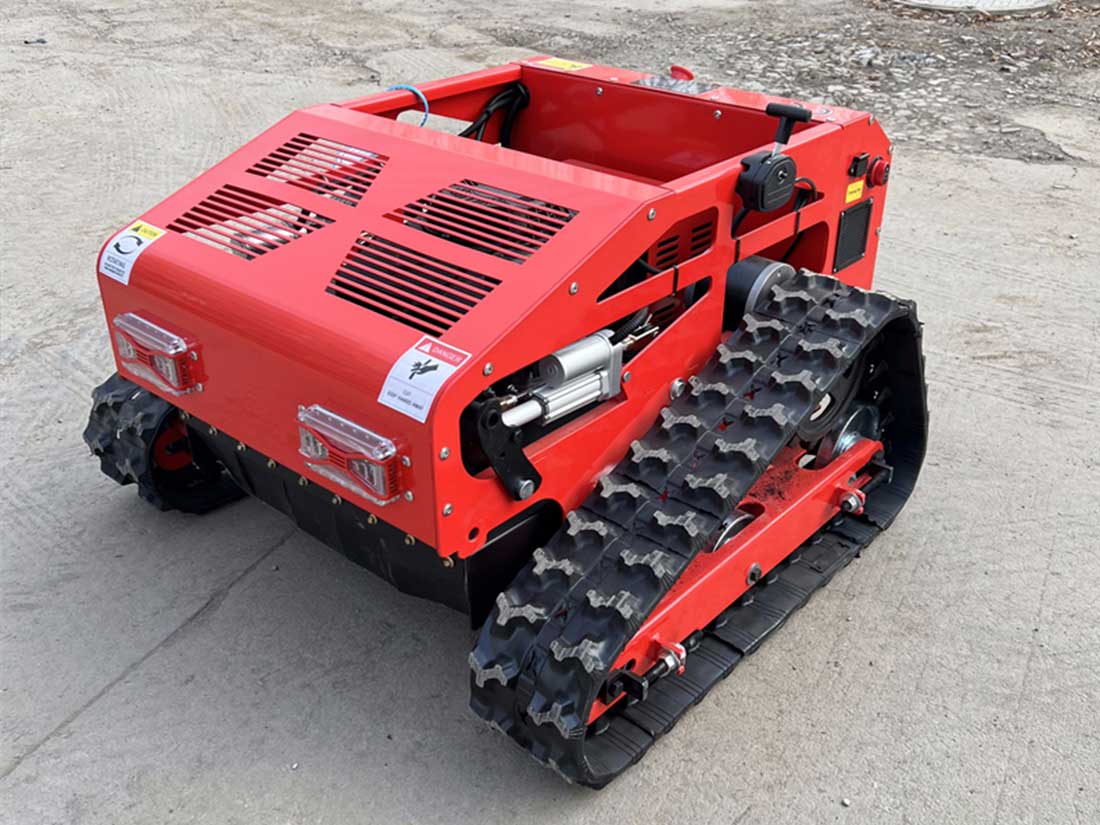
Explore Professional Remote-Controlled Lawn mower Equipment
If you are looking for a professional Lawn mower for difficult terrain, landscaping, agriculture, roadside vegetation, slopes, or large green areas, remote-controlled mowing equipment is worth considering.
JY Lawn Mower provides professional mowing equipment solutions for demanding vegetation-management applications. To explore available remote-controlled mowing equipment and learn more about suitable solutions, visit the official website:
Conclusion
The technology behind today's Lawn mower is becoming increasingly sophisticated.
Professional mowing is no longer simply about cutting grass. It requires equipment that can match the terrain, vegetation, access conditions, safety requirements, and workflow of the application.
Remote-controlled mowing equipment provides an important option for professional users working in difficult environments. A remote-controlled Lawn mower can combine machine mobility, specialized cutting equipment, and remote operation to address applications where conventional equipment may be less practical.
For landscaping companies, agricultural contractors, municipalities, roadside maintenance teams, and other professional users, the best approach is to evaluate the complete system rather than focusing on one specification.
By matching the right Lawn mower with the right terrain, cutting system, operating procedure, and maintenance plan, professional teams can build a more effective and reliable approach to modern vegetation management.