 English
 Spanish
 Portuguese
 French
 Italian
 Remote Mower
Maintaining steep slopes, uneven ground, and dense vegetation has always presented challenges for landscaping professionals, agricultural operators, and property maintenance teams. Traditional mowing equipment can perform effectively on flat lawns, but difficult terrain often requires additional planning, specialized machinery, and careful operating procedures. As technology advances, the remote controlled lawn mower is emerging as a practical solution for tackling demanding mowing tasks with greater flexibility and improved operator positioning.
Modern remote-controlled mowing equipment combines remote operation, specialized cutting systems, and compact machine designs to help professionals manage areas that may be difficult to access with conventional mowers. From roadside embankments to orchards, solar farms, and commercial landscapes, these machines are expanding the options available for efficient vegetation management.
For businesses seeking reliable equipment for challenging conditions, understanding how a remote controlled lawn mower works and which features matter most can help guide a more informed purchasing decision.
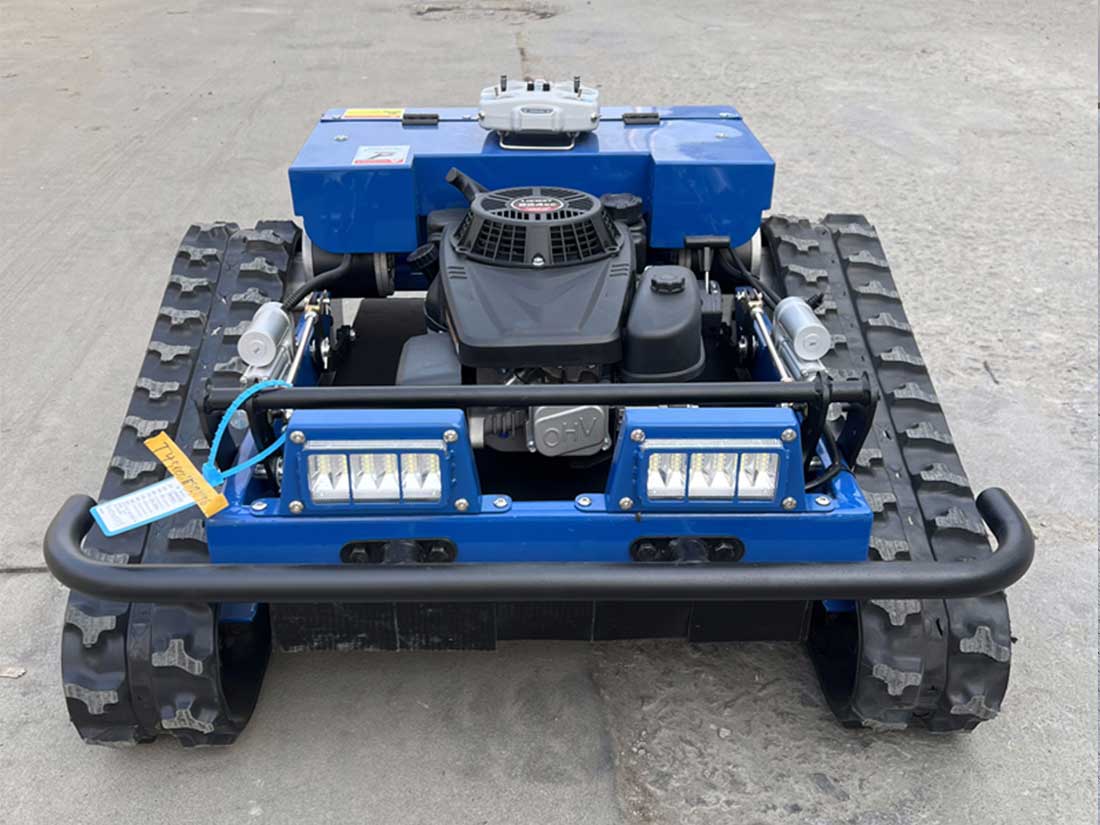
1. Why Steep Slopes Require Specialized Mowing Equipment
Steep slopes introduce several operational challenges that are less significant on level ground. Gravity affects machine stability, loose soil can reduce traction, and wet grass may create slippery conditions. Uneven surfaces can also increase the risk of equipment damage or inconsistent cutting.
When workers use conventional walk-behind or ride-on mowers on unsuitable inclines, they may face difficulties maintaining stable footing or controlling the machine safely. Not every conventional mower is designed for sloped terrain, so equipment selection must always follow the manufacturer's specifications.
A remote controlled lawn mower addresses some of these challenges by allowing an operator to control the machine from a separate position rather than riding on it or walking directly behind it. Depending on the model, the operator may be able to stand at a safer location while maintaining a clear view of the mowing area.
Typical applications include:
Grass-covered roadside embankments.
Drainage channels and retention pond banks.
Uneven agricultural land.
Hillside landscaping and large estates.
Vegetation around commercial and industrial properties.
A properly selected remote controlled lawn mower can make these jobs more manageable, but performance depends on slope limits, surface conditions, machine design, and operator training. Remote control should never be treated as a substitute for proper safety procedures.
2. Advanced Track Designs Improve Traction on Difficult Ground
One important innovation in remote-controlled mowing equipment is the use of tracked undercarriages. Unlike conventional wheels, tracks distribute the machine's weight over a broader contact area, which can help provide traction on certain uneven or soft surfaces.
A tracked remote controlled lawn mower may be suitable for rough ground, sloped grass, and selected off-road mowing applications. Its performance depends on the track pattern, chassis geometry, weight distribution, soil conditions, and permitted operating angle.
Key advantages of tracked configurations
Improved ground contact: Tracks can help distribute machine weight and maintain contact with irregular surfaces.
Maneuverability: Many tracked machines can turn within relatively compact spaces, making them useful around landscaping obstacles.
Access to difficult areas: A compact tracked mower may reach locations that are impractical for larger conventional equipment.
Support for specialized mowing: Tracked configurations are commonly considered for slope maintenance, embankment management, and rough vegetation control.
However, tracks do not guarantee safe operation on every incline. Mud, loose gravel, wet grass, and sudden changes in slope can still affect stability and traction. Before purchasing a remote controlled lawn mower, contractors should confirm the manufacturer's maximum permitted slope and recommended operating procedures.
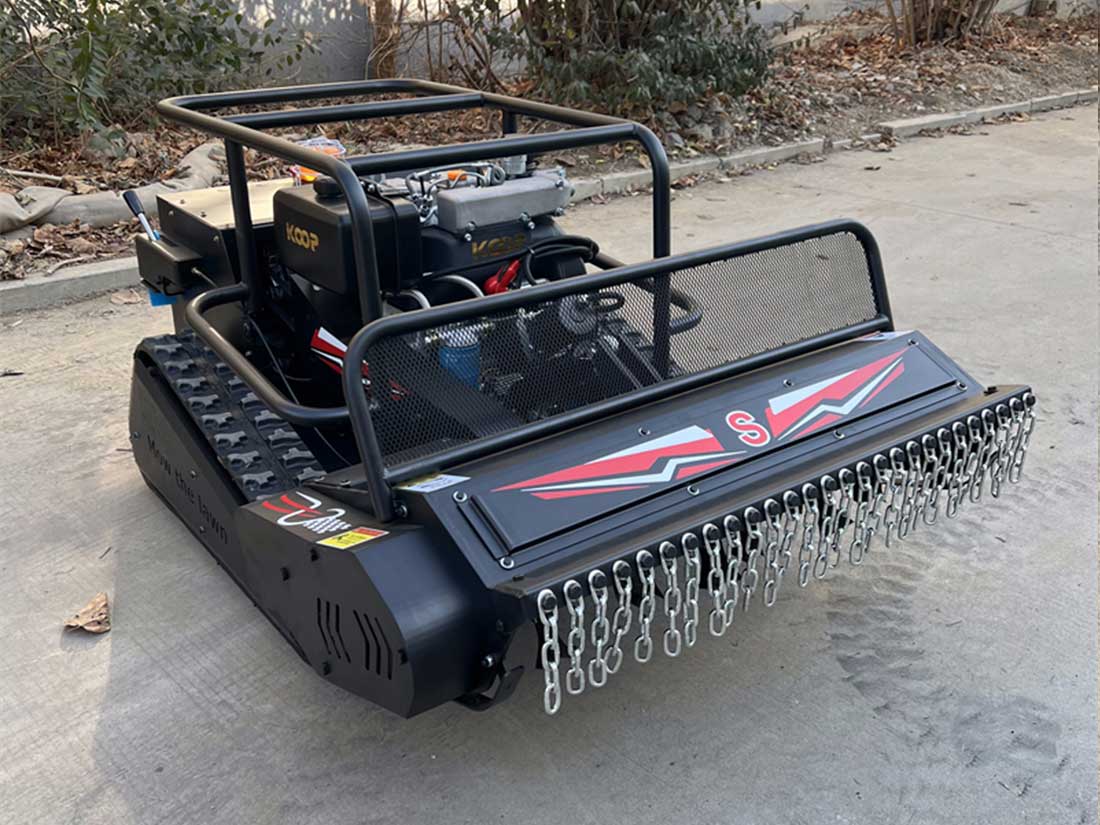
3. Remote Operation Helps Improve Operator Positioning
Operator safety is a major consideration in professional vegetation management. When mowing steep or irregular ground, the ability to control the machine from a separate location can reduce the need to stand directly on the slope or ride on equipment that is not designed for such conditions.
A remote controlled lawn mower gives the operator control over machine movement and cutting operations through a remote transmitter. Depending on the model, the controls may include forward and reverse movement, steering, speed adjustment, and cutting-system engagement.
Professional buyers should look beyond the basic remote-control function and evaluate the complete safety system.
Important features may include:
Emergency-stop functionality.
Automatic shutdown or fail-safe behavior if control communication is lost.
Clear operating-range specifications.
Appropriate braking and stability systems.
Protective covers and accessible maintenance points.
Clear visibility of the machine throughout the operation.
A remote controlled lawn mower can improve how operators position themselves during difficult mowing work, but it does not eliminate hazards from flying debris, nearby traffic, unstable ground, or moving cutting components.
For this reason, experienced landscaping teams combine suitable equipment with operator training, site inspections, exclusion zones, and manufacturer-approved procedures.
4. Choosing the Right Cutting System for Tough Vegetation
Terrain is only one factor affecting mowing performance. Grass height, weed density, woody growth, and the required finish all influence which cutting system is appropriate.
A remote controlled lawn mower should be selected according to the vegetation it is expected to handle, rather than simply choosing the machine with the largest engine or widest cutting deck.
Rotary cutting systems
Rotary mowers use rapidly rotating blades to cut grass and are widely used for routine vegetation maintenance. Depending on the model, they can be suitable for lawns, grass-covered slopes, orchards, and other maintained green spaces.
Their main consideration is whether the cutting deck and blade configuration can handle the vegetation density and terrain conditions of the intended application.
Flail cutting systems
Flail mowers use multiple smaller cutting elements mounted on a rotating shaft. They are often considered for rough grass, weeds, and selected light-brush applications when the equipment is specifically designed for that work.
A remote controlled lawn mower equipped with a suitable flail system may be useful for roadside vegetation management and rough-ground maintenance.
However, not every flail mower can handle woody growth or heavy brush. Buyers should verify the manufacturer's stated cutting capacity and restrictions.
Matching the machine to the job
Working condition | Equipment considerations |
|---|---|
Regular grass on moderate slopes | Cutting quality, traction, and slope rating |
Tall grass and dense weeds | Engine or motor output, cutting mechanism, and discharge design |
Rough vegetation | Flail configuration and approved material capacity |
Narrow orchard rows | Machine width, turning radius, and ground clearance |
Large open areas | Cutting width, operating speed, and fuel or battery requirements |
The right combination of chassis and cutting system can help a remote controlled lawn mower deliver consistent results while avoiding unnecessary equipment costs.

5. Remote Controlled Lawn Mower Applications Across Industries
Remote-controlled mowing equipment is increasingly relevant to businesses that maintain more than conventional residential lawns. Its potential value comes from matching specialized machinery to areas where terrain, access, or vegetation creates additional operating demands.
Roadside and embankment maintenance
Roadside slopes and drainage banks can be difficult to mow using conventional equipment. A suitable remote controlled lawn mower can help maintenance crews manage grass while allowing the operator to control the machine from a separate position. Traffic management and site safety remain essential.
Orchards and agricultural properties
Grass and weeds between tree rows can interfere with routine property maintenance. Compact remote-controlled machines may help maintain vegetation in suitable orchards and agricultural areas where access and turning space are limited.
Solar farms
Solar installations require regular vegetation control around panels, access routes, and equipment. A remote controlled lawn mower with appropriate dimensions and cutting capabilities may help maintain these areas without relying entirely on manual trimming.
Commercial and municipal landscaping
Parks, industrial grounds, public green spaces, and large estates often contain a mixture of flat lawns and difficult sections. Remote-controlled equipment can complement conventional mowers by handling selected areas that require specialized access.
For businesses managing several types of properties, adding a remote controlled lawn mower to an existing fleet may provide greater flexibility. The key is to identify recurring tasks that justify the machine's purchase and operating costs.
6. How Remote-Controlled Mowers Can Improve Operational Efficiency
Labor availability, project deadlines, and maintenance costs influence the profitability of landscaping operations. Although purchasing specialized equipment requires an initial investment, a carefully selected remote controlled lawn mower may help businesses organize work more efficiently.
Potential advantages include reduced reliance on manual trimming in suitable areas, fewer difficult equipment maneuvers, and more flexible deployment of machinery across different terrain types.
Consider a landscaping contractor maintaining a large commercial property with flat lawns, steep banks, and rough vegetation around drainage areas. One conventional mower may handle the open lawns, while workers use handheld equipment on difficult sections.
By assigning a suitable remote controlled lawn mower to the steep or rough sections, the contractor may be able to separate routine mowing from specialized vegetation management.
To determine whether this approach is financially worthwhile, businesses should compare:
Labor hours required for each mowing task.
Area maintained per operating hour.
Fuel or electricity consumption.
Transport and setup time.
Maintenance and replacement-part costs.
Equipment utilization across different projects.
For example, if a remote controlled lawn mower reduces the time required for a recurring task, the resulting labor savings can be compared with the machine's purchase price and ongoing costs. Actual savings will depend on local labor rates, terrain, vegetation, and equipment performance.
The most reliable purchasing decisions are based on realistic job estimates and field trials rather than generalized productivity claims.
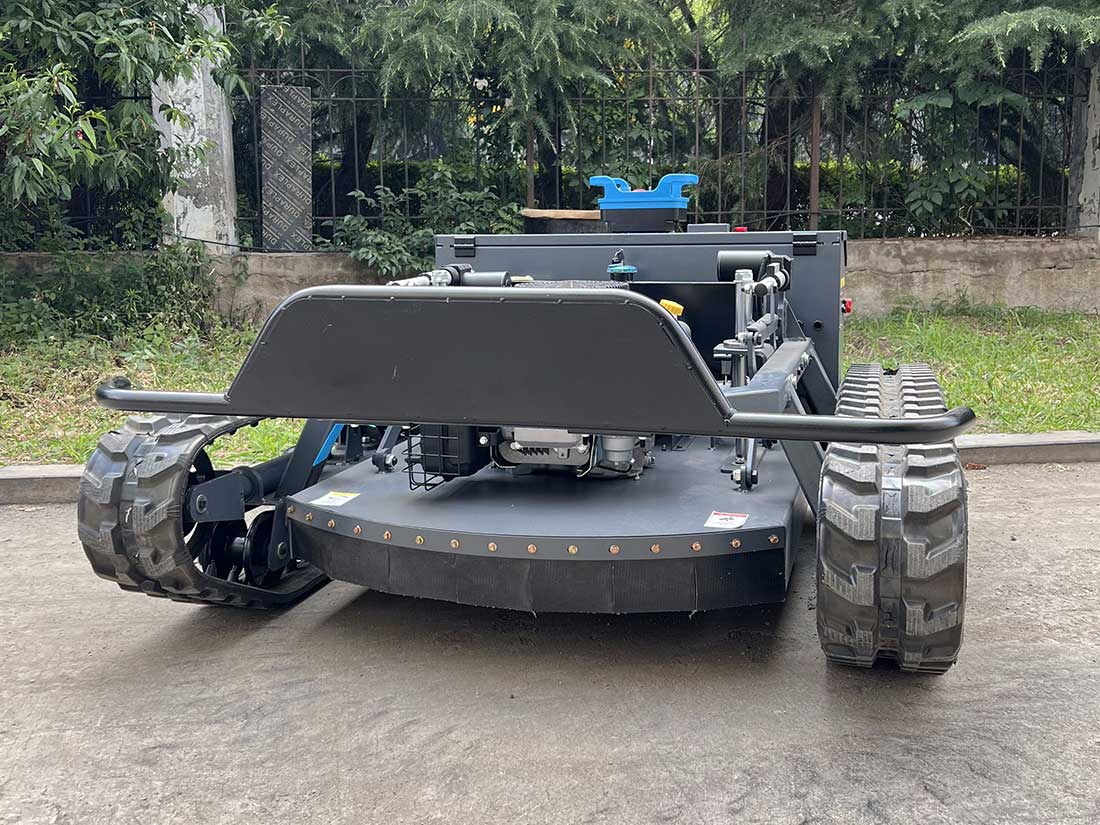
7. What to Consider Before Buying a Remote Controlled Lawn Mower
Selecting a professional mower involves balancing terrain capability, cutting performance, durability, and long-term service requirements.
Before choosing a remote controlled lawn mower, buyers should evaluate the following factors.
Slope capability: Confirm the manufacturer's permitted operating angle and any restrictions involving sideways movement, wet grass, or particular soil types.
Cutting width: A wider cutting deck may improve coverage in open areas, while a narrower machine may be easier to maneuver between trees or around obstacles.
Power configuration: Consider engine output, fuel availability, battery runtime where applicable, and the expected daily workload.
Control reliability: Check the operating range, responsiveness, communication-loss behavior, and emergency-stop functions.
Machine construction: Review track or wheel design, chassis protection, cutting-deck construction, and accessibility for routine servicing.
Maintenance and support: Ask about spare parts, service documentation, warranty conditions, and technical assistance.
Total cost of ownership: Include transport, routine maintenance, consumables, repairs, and the expected number of operating hours over the machine's service life.
These factors help buyers identify a remote controlled lawn mower that fits their working conditions instead of paying for capabilities they may never use.
8. Discover Remote-Controlled Mowing Equipment from JUYOU
For landscaping contractors, agricultural operators, and commercial property managers, finding a supplier with equipment suited to challenging terrain is an important part of the buying process.
JUYOU Lawn Mower offers remote-controlled mowing equipment for professional vegetation-management applications. Buyers exploring its range can investigate machine configurations intended for slopes, rough ground, embankments, and other demanding mowing environments.
When reviewing a remote controlled lawn mower, it is important to match the individual model's specifications to the intended job. Product dimensions, cutting-system options, slope limits, power configuration, and service requirements should all be confirmed directly with the supplier.
To make a more productive inquiry, prepare information about your project:
The steepest slope and typical ground conditions.
The type and height of vegetation.
The total mowing area and expected working hours.
Whether you need a rotary or flail cutting system.
Your preferred machine dimensions and power configuration.
Your delivery destination and after-sales support requirements.
This information can help narrow the available options and support a more accurate equipment quotation.
Visit https://www.jylawnmower.com/ to explore remote-controlled mowing equipment and identify potential solutions for your professional landscaping needs.
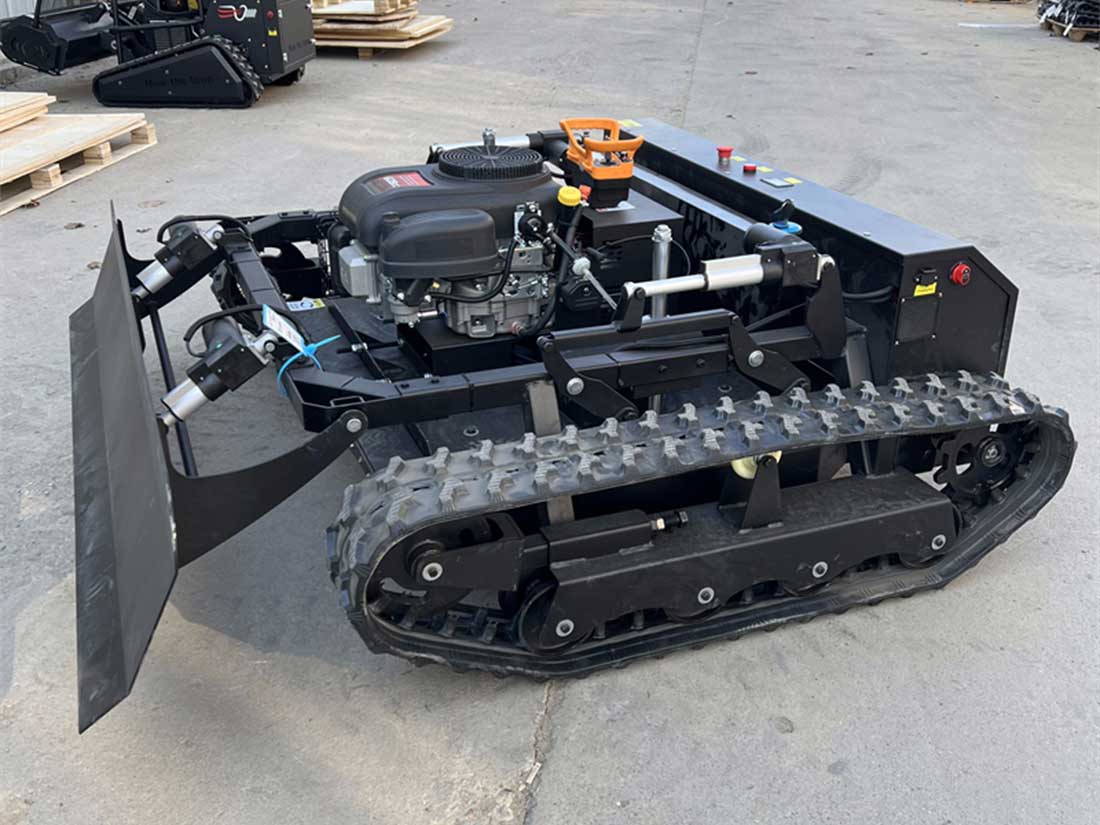
9. The Future of Remote-Controlled Mowing Technology
Remote-controlled mowing technology continues to offer opportunities for improving how difficult vegetation-management tasks are performed. Further developments may focus on more responsive control systems, enhanced safety monitoring, improved cutting performance, and more efficient powertrains.
For professional users, however, innovation matters most when it produces measurable benefits in real operating conditions. Reliable traction, predictable machine behavior, accessible maintenance, and consistent cutting performance remain central to successful equipment selection.
A remote controlled lawn mower should therefore be evaluated as part of a complete maintenance strategy. It may complement conventional mowers, brush cutters, and other equipment rather than replace every machine in a landscaping fleet.
Businesses that understand their terrain, workload, and safety requirements are better positioned to determine where remote-controlled equipment offers the greatest value.
Conclusion
Innovations in remote-controlled mowing equipment are making steep slopes, uneven ground, and demanding vegetation-management tasks easier to approach. With suitable track designs, specialized cutting systems, and remote operation, a remote controlled lawn mower can provide landscaping professionals with greater flexibility when maintaining difficult areas.
The most important considerations remain machine suitability, operator safety, cutting requirements, maintenance support, and total operating cost. No single mower is ideal for every terrain or vegetation type, so careful evaluation is essential.
For businesses seeking to improve their approach to slope maintenance, embankment mowing, orchard management, or commercial landscaping, remote-controlled equipment may be a worthwhile investment.
Explore the available solutions at JUYOU Lawn Mower to learn more about remote-controlled mowing equipment and find a model that matches your working conditions.